


Protecting Your Car’s Value From Day One
Selling your car down the road? Then, maintaining its value should start now, not just when you’re ready to trade it in. Whether you plan to sell privately or through a dealership, the resale price you receive will depend heavily on how well the vehicle has been maintained. While some depreciation is inevitable, there are several steps you can take to slow it down and protect your investment.
From regular maintenance to smart driving habits, small choices can make a big difference. A car in better condition will attract more buyers, sell faster, and command a higher price. If your goal is to get top dollar when it’s time to sell or trade, this is where to begin.
Let’s break down what really helps a car hold its value—and what you can do to stay ahead of wear and tear.
Stick to a Consistent Maintenance Schedule
One of the most significant factors in determining a used car’s value is the vehicle’s maintenance history. Buyers and dealers want proof that the car was well-maintained, and the easiest way to demonstrate this is through service records. Oil changes, brake inspections, tire rotations, and other routine services should be done on time and documented.
Neglecting maintenance doesn’t just risk mechanical issues; it also raises red flags for future buyers. A spotty maintenance history may suggest poor upkeep or even underlying problems, which can significantly lower the offer you receive. Following the manufacturer’s service schedule, even when nothing seems wrong, keeps your car running better and makes it easier to justify a higher asking price.
If you visit a trusted service center or dealership, ensure they update the digital records associated with your vehicle. Many used car shoppers check this information before even scheduling a test drive.
Protect the Interior and Exterior
Cosmetic condition plays a huge role in resale value. A car might run perfectly, but if the seats are stained or the paint is faded, buyers will hesitate—or expect a discount. Keeping your vehicle clean, inside and out, isn’t just about appearance—it’s about preserving value.
Cleanliness and Preventive Care Matter
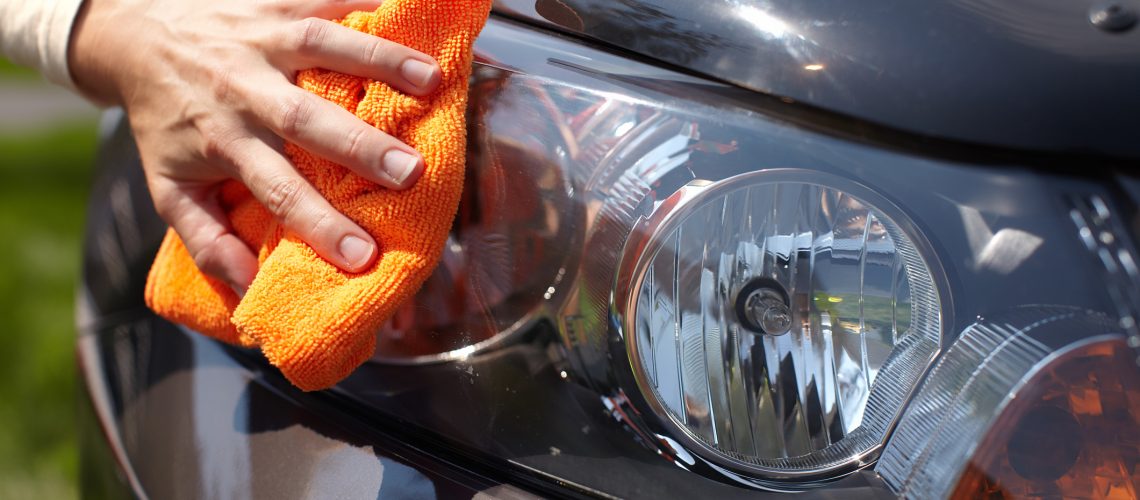
Wash and wax your car regularly to protect the paint from sun damage, road salt, and grime. Consider parking in shaded or covered areas whenever possible to avoid UV fading. Inside, use seat covers and floor mats to protect against spills, wear, and fading—especially if you drive frequently or have pets.
Don’t forget the small things: scratches on the console, worn-out upholstery, or cigarette odors can significantly impact the perceived value. Staying ahead of these issues means fewer costly repairs later and a better impression when it’s time to sell.
Avoid Excessive Customization
While you might love bold rims or aftermarket spoilers, not every buyer will. Customizations can limit your resale audience or reduce your car’s appeal to dealerships. Most people looking for used vehicles prefer factory specs or subtle upgrades.
Modifications that alter the performance or appearance of your car can result in lower trade-in values or make it more difficult to sell privately. If you do add custom features, keep the original parts whenever possible so they can be reinstalled later. Neutral, functional improvements—like window tinting or upgraded sound systems—are typically safer and more marketable.
Drive Carefully and Log Miles Wisely
How you drive impacts more than fuel efficiency—it also affects your vehicle’s long-term value. Frequent hard braking, aggressive acceleration, and fast cornering put strain on critical components, such as brakes, suspension, and the drivetrain. Over time, this results in faster wear and a shorter lifespan for many parts.
Additionally, mileage is one of the first things a buyer or dealer will verify. The fewer miles on your car, the more you can typically ask. While you can’t avoid putting miles on your vehicle, planning ahead helps. Consider using a second car for long commutes or carpooling when possible to keep your odometer in check.
Keep Good Records and Documentation
When you’re ready to sell, being organized can make a big difference. Keeping a folder—or digital record—of all maintenance, repairs, inspections, and service appointments gives you leverage during negotiations. Buyers feel more confident when they see proof that the vehicle was well-maintained.
Make sure to include:
- Service and oil change receipts
- Brake and tire replacement records
- Emissions and inspection reports
- Warranty repair documentation
- Any aftermarket upgrades or replacements
Having these records on hand builds trust and helps justify a higher resale price, especially in private sales where a dealership warranty is not involved.