


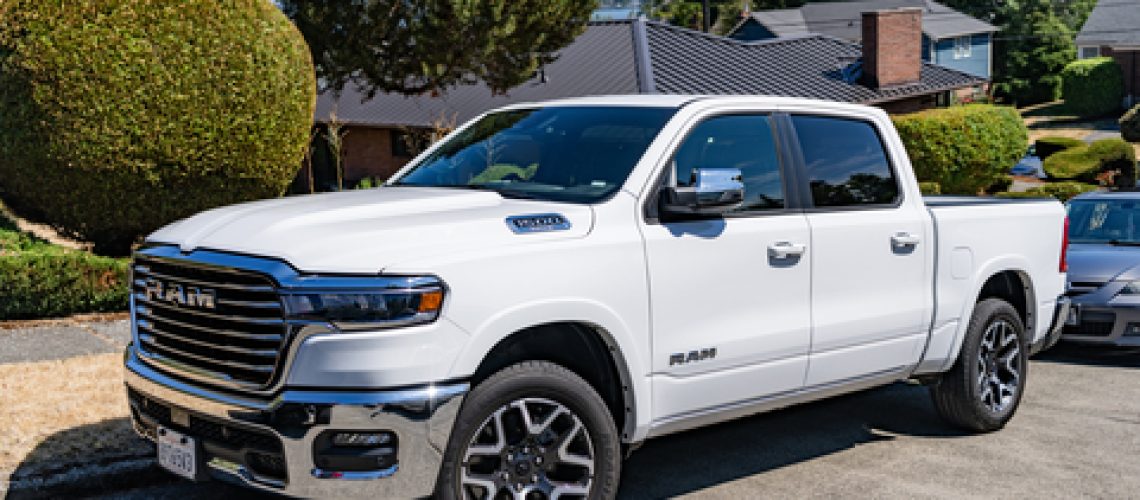
Trading in a Truck With a Loan Balance
When a new pickup truck catches your eye, it’s natural to wonder if the one you currently drive can be traded in, even if there’s still a loan on it. Many truck owners find themselves in this situation, especially when their needs change or newer models with better performance and features become available. Trucks tend to hold their value better than many vehicles, but navigating a trade-in with an outstanding balance can still feel confusing.
Whether it’s a Ford F-150, Chevy Silverado, Ram 1500, or Toyota Tacoma, pickup trucks are built to last—and in many cases, they retain strong resale value. But that doesn’t automatically make trade-ins simple when a balance remains on the loan. Several steps are involved in the process, and each one can affect what happens to the remaining debt.
If a trade-in is being considered for your truck, especially before the loan is paid off, it’s essential to understand key details before making a decision.
How a Trade-In Works With a Remaining Loan
A truck that hasn’t been fully paid off can still be traded in, but the process will be slightly different than trading in a vehicle with a clean title. The dealership will be required to pay off the remaining loan amount to the lender, and any difference between the truck’s value and the loan balance will affect the transaction.
If the truck is worth more than the amount owed, the difference will be applied as equity toward the purchase of a new vehicle. However, if the truck is worth less than what’s owed—a situation known as being “upside down” or having negative equity—that balance may either need to be paid out of pocket or rolled into the next loan.
It’s common for dealerships to handle this paperwork directly with the lender; however, the terms of the new loan will be impacted by the amount of negative equity being carried forward.
Why Truck Values Hold Up Better
Pickup trucks tend to retain more value over time than many cars or SUVs, which can work in your favor during a trade-in. Models like the Ford F-150, Toyota Tundra, and Chevrolet Silverado are often in high demand, both new and used. Their long-term durability, performance, and strong market appeal make them reliable assets, even after several years of ownership.
Due to their utility and continued popularity, trucks typically experience slower depreciation. This means their trade-in values tend to remain stronger compared to other vehicle types, particularly if they have been well-maintained and lightly modified. Trucks with four-wheel drive, towing packages, and extended or crew cabs are especially valued in both rural and suburban markets.
Mileage, condition, and current demand will still play a role; however, generally speaking, a late-model truck will retain its value better than a comparable sedan or crossover.
Determining Truck Equity Before Trading In
Before heading to the dealership, the current equity in the truck should be determined. This can be done by comparing the estimated trade-in value to the remaining balance of the loan. Truck valuations can be checked using online tools or by getting an in-person appraisal at a dealership.
If positive equity is found, the trade-in will likely be more straightforward. The equity amount can be used as a down payment on the next truck or vehicle being financed. If negative equity exists, additional steps will be necessary to determine how it will be handled, either by paying the difference upfront or adding it to the next loan.
For those who have questions about trading in other types of vehicles while still owing on them, additional information can be found in our article about trading in a car with a loan.
What Happens to the Remaining Balance
Once a trade-in offer is accepted, the dealership will coordinate the loan payoff with the lender. The truck’s title will be transferred once the loan is paid in full. If the remaining loan balance exceeds the truck’s value, the dealership will typically add that difference to the financing for the following vehicle.
This can increase the total amount financed and the monthly payment on the new loan. While it’s a common practice, buyers should be cautious about carrying too much negative equity into a new loan, as it could lead to being upside down again later.
A larger down payment or choosing a more modest truck the second time around could help offset that risk.
Tips for Truck Owners Looking to Trade In
- Research the current market value of your specific make, model, trim, and condition
- Review your loan payoff amount by contacting your lender
- Schedule appraisals from multiple dealerships to get accurate trade-in offers
- Avoid rolling over too much negative equity, especially on longer loan terms
- Maintain your truck well to preserve resale value and increase equity
Trucks in good condition with service records and minimal modifications are often favored during trade-ins. Dealerships may be more willing to work with you if the truck is desirable in today’s used vehicle market.