


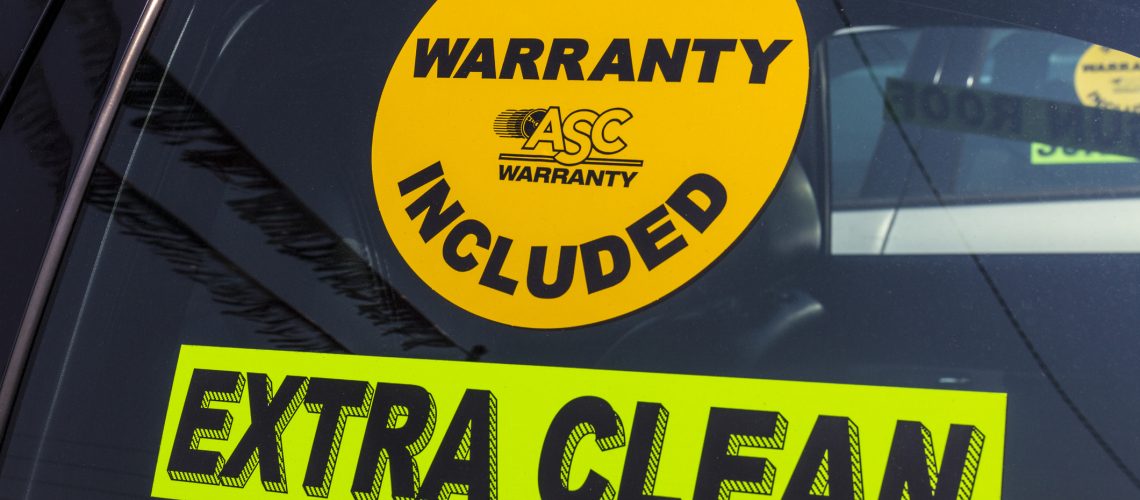
Understanding Warranty Coverage Before You Buy
When purchasing a vehicle, one of the most important factors to consider is the warranty coverage that comes with it. A car warranty serves as a financial safety net, protecting you from unexpected repair costs due to manufacturer defects or mechanical failures. However, warranties differ significantly between new and used cars, and understanding these differences can help you make a more informed decision.
New cars typically come with a factory warranty, offering extensive coverage for several years. Used cars, on the other hand, may have limited or expired warranties, but they can still be covered through certified pre-owned (CPO) programs or extended warranties purchased separately. This guide will compare new and used car warranties, explaining what each type includes and whether additional coverage is worth the investment.
Factory Warranties: What You Get with a New Car
One of the biggest advantages of buying a new car is the factory warranty that comes with it. Factory warranties, also known as manufacturer warranties, are included at no extra cost and provide coverage for a set period or mileage limit. These warranties ensure that the car is free of defects and that major components are repaired or replaced at no cost to the owner.
Bumper-to-Bumper Warranty:
- Covers almost all components of the vehicle except for wear-and-tear items like tires and brake pads.
- Typically lasts 3 to 5 years or 36,000 to 60,000 miles, depending on the manufacturer.
Powertrain Warranty:
- Covers essential components such as the engine, transmission, and drivetrain.
- Usually extends 5 to 10 years or 60,000 to 100,000 miles, depending on the brand.
Corrosion and Rust Warranty:
- Protects against rust damage to the body of the vehicle.
- Coverage varies but often lasts 5 to 12 years.
Emissions Warranty:
- Covers emissions-related components, including catalytic converters and oxygen sensors.
- Required by federal law to last at least 8 years or 80,000 miles.
Factory warranties provide peace of mind for new car owners, covering many potential issues during the first few years of ownership. However, they have strict limitations and typically do not cover routine maintenance, such as oil changes or tire rotations.
Used Car Warranties: What Coverage Exists?
When buying a used car, warranty coverage depends on whether the original factory warranty is still active or if the vehicle qualifies for a certified pre-owned (CPO) program. Unlike new cars, used cars may come with limited or no warranty at all, making it crucial for buyers to understand their coverage options.
Certified Pre-Owned (CPO) Warranties
A certified pre-owned vehicle is a used car that has been inspected and reconditioned by the manufacturer or dealership to meet specific quality standards. CPO cars come with a limited manufacturer-backed warranty, providing better protection than standard used cars.
Typical CPO warranties include:
- Extended bumper-to-bumper coverage, often lasting an additional 1 to 2 years beyond the original factory warranty.
- Extended powertrain warranty, sometimes up to 100,000 miles.
- Additional perks, such as roadside assistance, free maintenance for a certain period, and rental car reimbursement.
While CPO vehicles tend to be more expensive than regular used cars, the added warranty coverage can provide significant value and peace of mind.
Dealer or Third-Party Limited Warranties
Some used cars sold by dealerships come with a limited warranty, typically covering major components for 30 to 90 days after purchase. These warranties vary by dealer and often exclude high-mileage vehicles.
For used cars purchased from private sellers, there is no warranty, meaning the buyer is responsible for all repairs immediately after purchase unless an extended warranty is added.
Extended Warranties: Are They Worth It?
For both new and used vehicles, extended warranties are available to provide additional coverage beyond the factory or CPO warranty. These plans are offered by manufacturers, dealerships, or third-party providers.
Pros of Extended Warranties
- Covers expensive repairs after the factory warranty expires.
- May include perks like roadside assistance, rental car coverage, and towing.
- Helps budget-conscious owners avoid unexpected repair costs.
Cons of Extended Warranties
- Can be costly, often adding $1,000 to $3,000 to the purchase price.
- Some repairs may still not be covered under warranty terms.
- Restrictions on where repairs can be performed (manufacturer vs. third-party repair shops).
Extended warranties make sense for buyers who plan to keep their vehicle for a long time or drive high mileage. However, for highly reliable vehicles with a solid maintenance history, extended warranties may not always be necessary.
Choosing the Right Warranty Coverage
When deciding between a new or used car, warranty coverage is an essential factor to consider. New cars come with comprehensive factory warranties that provide years of protection with minimal repair costs. Used cars, especially those that are certified pre-owned, can still offer significant warranty coverage but may require additional protection through extended warranties.
Before making a decision, buyers should:
- Check the factory warranty details and remaining coverage for used cars.
- Compare CPO and extended warranty options for added protection.
- Factor in long-term ownership costs, including potential repairs after the warranty expires.
Understanding the differences in warranty coverage ensures that you make the best decision for your budget and peace of mind. Whether you opt for a new or used vehicle, having the right warranty in place can help protect your investment and provide confidence in your purchase.